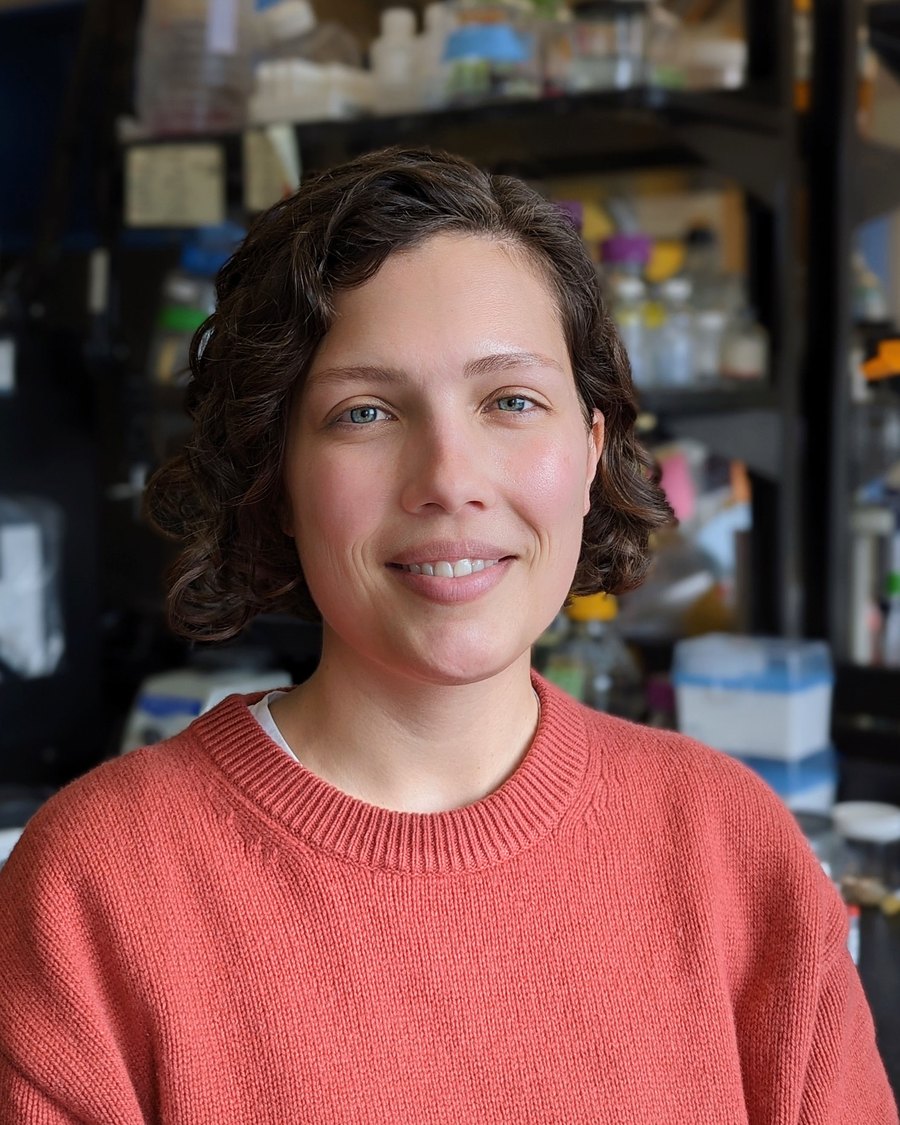
Each pregnancy reshapes the gut microbial community that the next child inherits. I study how a mother’s pregnancy history and diet shape the gut and microbiota her child starts life with, and how those early differences carry forward across the lifespan. I am a postdoctoral fellow in the Department of Biochemistry and Biomedical Sciences at McMaster University.
My work on low-biomass methods established that meconium has no detectable microbiota before birth, so colonization begins at birth and what the mother transmits during delivery matters. I have since shown that the maternal gut microbiome adapts differently to a first pregnancy than to later ones, and that birth order changes how the neonatal microbiome responds to delivery mode and intrapartum antibiotics. In mice, maternal high-fat diet alters the fetal gut, with effects on the offspring microbiome and gut barrier that last into adulthood.
I work at the bench and the keyboard, from culturing and banking bacterial strains to shotgun metagenomics and TALDA, a method I developed with McMaster’s Department of Mathematics and Statistics to model microbial subcommunities over time. I designed and lead the Good Bugs Study, which tracks which vaginal and gut strains pass from mothers to newborns in first and later pregnancies. The Research page has the details.
Outside the lab, I spent five years as a sailing instructor. These days I make pottery and stained glass and am learning to knit. Charlie, my St. Bernard, supervises.
Featured papers